
Influencer Marketing Mistakes

Introduction

Influencer marketing has become an essential part of modern digital marketing. However, many brands fail to achieve good results because of avoidable mistakes.

Understanding these common errors can help you build stronger campaigns and better partnerships.

At ADSONZ Click, we help brands avoid these mistakes and create successful influencer collaborations.
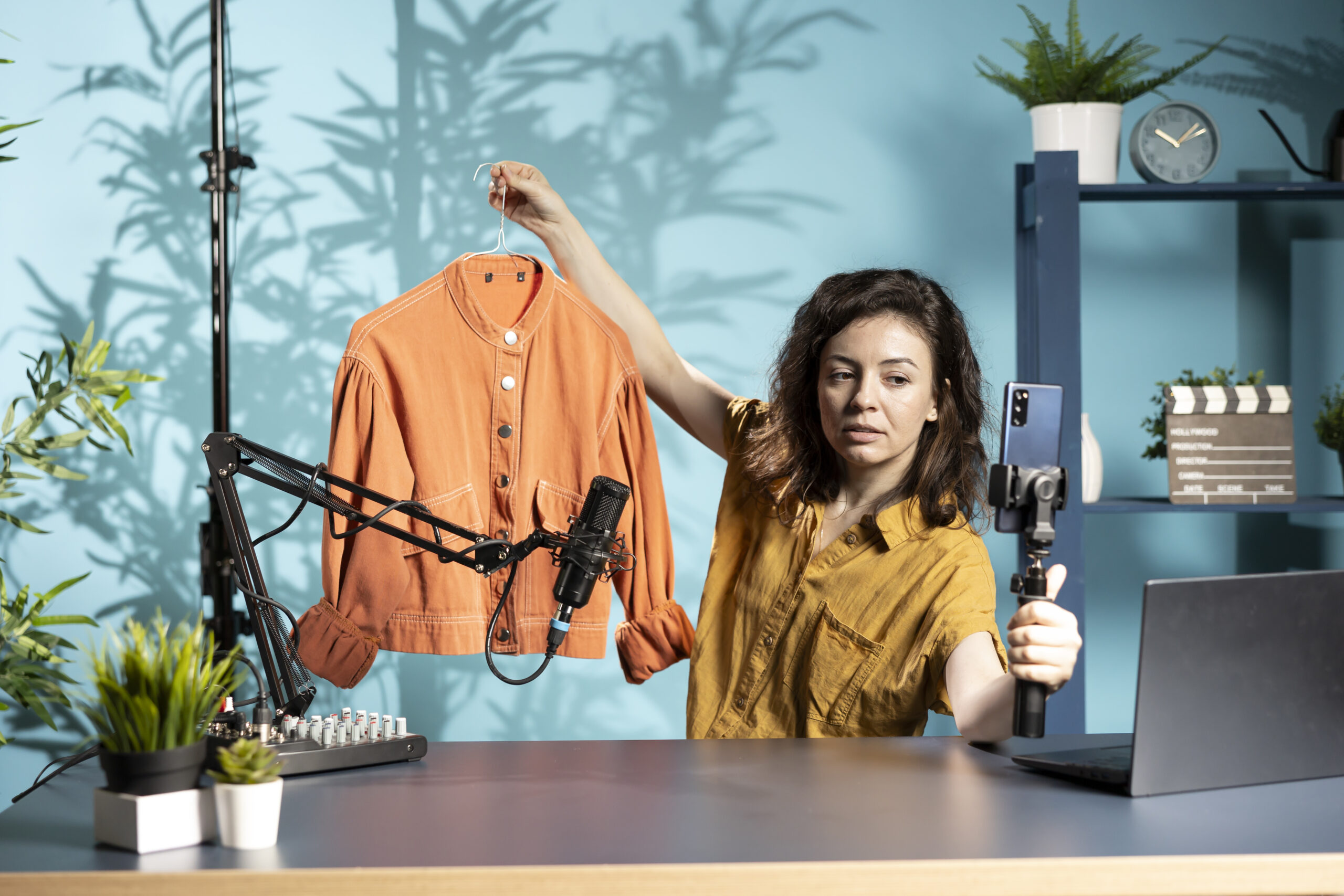
Influencer Marketing Mistakes

Mistake 1: Choosing Influencers Only by Followers

Influencer marketing has become an essential part of modern digital marketing. However, many brands fail to achieve good results because of avoidable mistakes.

Understanding these common errors can help you build stronger campaigns and better partnerships.

At ADSONZ Click, we help brands avoid these mistakes and create successful influencer collaborations.

A large following doesn’t always mean better results.

Always check:

  • Engagement rate
  • Audience quality
  • Content relevance
  • Brand alignment

Authentic engagement matters more than numbers.

Mistake 2: Ignoring Audience Match

An influencer may be popular but may not reach your ideal customers.

Choose creators whose audience matches your target market.

Mistake 3: Giving No Creative Freedom

Influencers understand their audience better than anyone.

Instead of controlling every word, provide guidelines while allowing them to create authentic content.

Authenticity increases engagement.

Mistake 4: No Clear Campaign Goals

Without clear objectives, measuring success becomes difficult.

Define whether your campaign focuses on:

  • Brand awareness
  • Website traffic
  • Leads
  • Sales

Clear goals lead to better strategies.

Mistake 5: Not Measuring Performance

Many brands finish a campaign without analyzing the results.

Track:

  • Reach
  • Engagement
  • Clicks
  • Sales
  • ROI

Data helps improve future campaigns.

Mistake 6: Treating Influencers as One-Time Partners

Long-term collaborations build stronger trust with audiences.

Consistent partnerships often generate better business results.
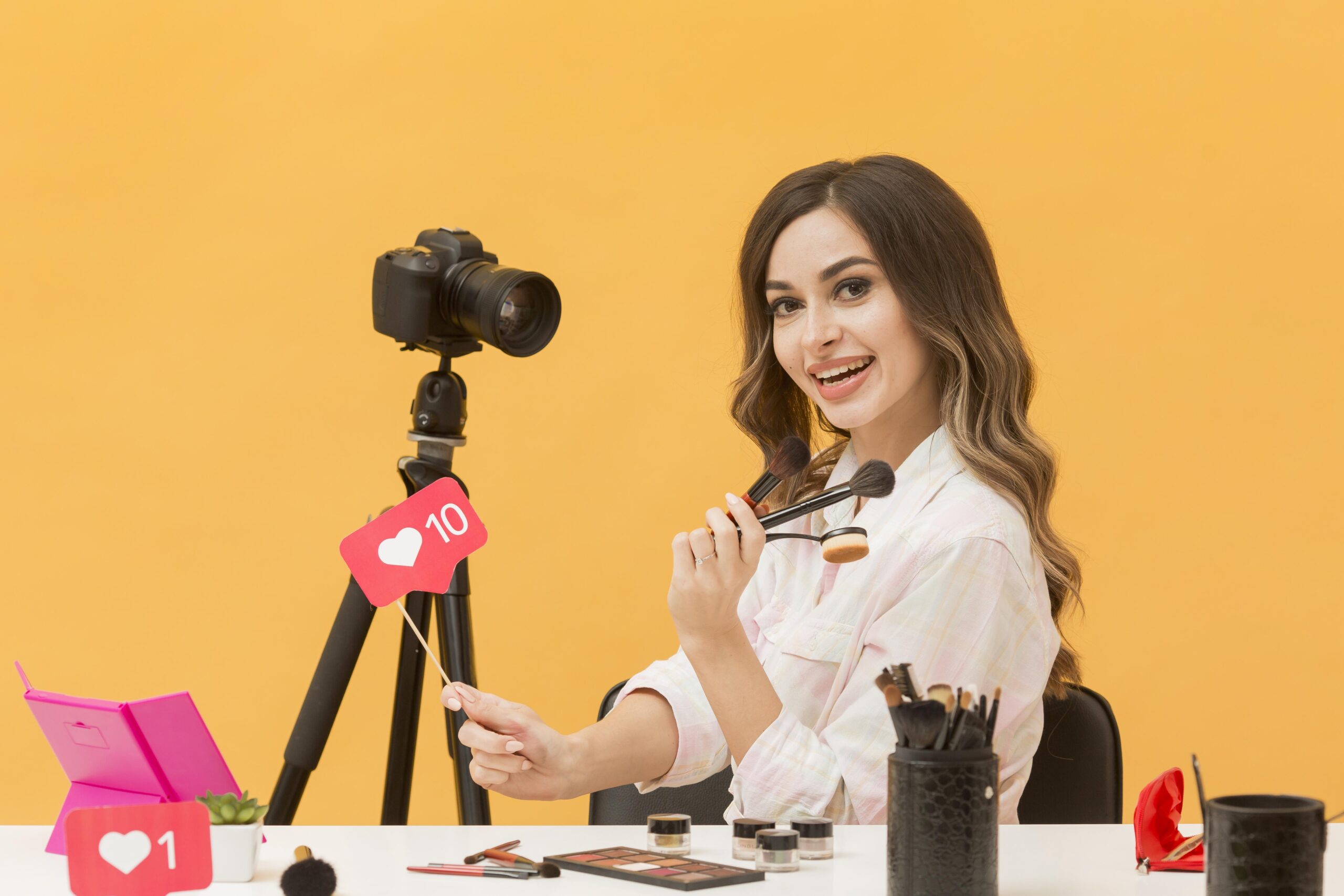
Influencer Marketing Mistakes

How ADSONZ Click Helps


We make influencer marketing easier through:

  • Influencer Selection
  • Campaign Strategy
  • Brand Collaborations
  • Campaign Management
  • Performance Analytics
  • End-to-End Support

Conclusion

Influencer marketing works best when brands focus on strategy, authenticity, and long-term relationships.

Avoid common mistakes, choose the right influencers, and measure your campaign performance to maximize results.

Partner with ADSONZ Click to connect with trusted influencers and create campaigns that help your brand grow.

What Are the Most Common Mistakes Brands Make When Working with Influencers, and How Can They Be Fixed?

MistakeProblem It CausesHow to Fix It
Choosing influencers by follower count aloneLow engagement, poor ROICheck engagement rate, audience quality, content relevance, and brand alignment
Ignoring audience matchContent doesn’t reach ideal customersChoose creators whose audience matches your target market
Giving no creative freedomContent feels forced, lowers authenticityProvide guidelines but let influencers create in their own voice
No clear campaign goalsSuccess becomes hard to measureDefine objectives: brand awareness, traffic, leads, or sales
Not measuring performanceMissed insights for future campaignsTrack reach, engagement, clicks, sales, and ROI
Treating influencers as one-time partnersWeaker long-term trust and resultsBuild consistent, long-term collaborations


# Common Influencer Marketing Mistakes Brands Keep Making (And How to Fix Them) Influencer marketing can be a powerful way to introduce your brand to new customers, build trust, and generate sales. But simply paying a creator to post about your product does not guarantee results. In many cases, campaigns fail because of a few avoidable **Influencer Marketing Mistakes**. Brands may choose creators because of their follower count, provide overly strict scripts, skip audience research, or judge an entire campaign by likes and comments. These decisions can waste money and make influencer campaigns feel more like advertising than genuine recommendations. The good news is that most of these problems are easy to identify and fix. A successful campaign starts with choosing the right creator, understanding their audience, setting realistic goals, and giving the creator enough freedom to communicate in their own voice. At Adsonzclick, we believe that successful influencer marketing is built around people, not just numbers. Whether a brand is new to influencer marketing or already running regular campaigns, understanding the most common problems can make every future campaign more effective. ## Why Influencer Marketing Mistakes Matter Influencer marketing often looks simple from the outside. A brand finds a creator, sends a product, agrees on a fee, and waits for the post to go live. Behind the scenes, however, there are several decisions that determine whether the campaign succeeds. Poor creator selection, unclear campaign objectives, weak communication, unrealistic expectations, and limited performance tracking can all create problems. These are among the most **common influencer marketing mistakes** businesses make. A creator may have hundreds of thousands of followers, but if those followers have little interest in the product, the campaign may generate impressive reach without meaningful sales. Similarly, a creator may produce beautiful content, but if the brand controls every word and movement, the content can lose the personality that attracted the audience in the first place. Brands that understand these challenges are better positioned to build genuine relationships with creators and customers. ## 1. Choosing Followers Over Relevance One of the biggest **Influencer Marketing Mistakes** is assuming that a larger audience automatically means better results. It is easy to be impressed by a creator with one million followers. But follower count does not tell you whether those people are interested in your product, located in your target market, or likely to make a purchase. A smaller creator with 30,000 highly engaged followers may deliver better results than a celebrity with one million followers. Before selecting a creator, consider: * Who follows the creator? * Where is their audience located? * What topics do they regularly discuss? * How active are their followers? * Does their content match your brand? * Have their previous partnerships looked authentic? This type of research helps brands avoid unnecessary **influencer partnership mistakes** before spending money. Micro and nano influencers can be particularly useful for niche campaigns because their audiences often feel more connected to them. Their recommendations can come across as personal rather than commercial. ## 2. Ignoring Audience Relevance A creator can be excellent and still be the wrong choice for a particular campaign. Imagine a gaming creator promoting luxury skincare. The content could receive thousands of views, but those views may not translate into sales because the audience does not necessarily have an interest in skincare. A strong **brand influencer collaboration** starts with audience alignment. Brands should look at factors such as age, location, interests, lifestyle, purchasing behavior, and content preferences. The goal is not simply to find a popular influencer but to find someone whose community overlaps with the brand's potential customers. Before **working with influencers**, ask a simple question: "Would this creator naturally recommend this product even if there were no sponsorship?" If the answer feels doubtful, the partnership may not be the right fit. ## 3. Giving Creators a Script Instead of a Brief Creators understand their audiences better than most brands do. They know what type of content their followers enjoy, what language feels natural, and which formats generate conversations. One of the common **influencer marketing mistakes** is taking away that creative freedom. A rigid script can make sponsored content sound unnatural. When followers immediately recognize that a creator is simply reading advertising copy, trust can drop. Instead of controlling every sentence, give creators a clear campaign brief. The brief can include: * Campaign objective * Key product benefits * Important brand messages * Visual requirements * Disclosure guidelines * Content deadlines * Usage rights The creator can then communicate the message in their own style. This approach makes **working with influencers** feel like a partnership rather than a transaction. It also creates stronger content because the creator's personality remains visible. ## 4. Expecting Immediate Sales Another common problem is expecting one influencer post to transform sales overnight. Influencer marketing can generate direct conversions, but it also works through awareness, trust, consideration, and repeated exposure. Someone may see a creator recommending a product today and purchase it several days or weeks later. Expecting instant results is therefore one of the **Influencer Marketing Mistakes** that can cause brands to abandon a potentially valuable channel too early. Instead of focusing only on immediate revenue, track several indicators: * Reach * Engagement * Website visits * Product page views * Leads * Search activity * Discount-code usage * Conversions * Customer acquisition cost Looking at the complete picture provides a much clearer understanding of campaign performance. ## 5. Measuring Likes Instead of Business Results Likes are easy to see, but they do not always tell you whether a campaign was successful. A post may receive thousands of likes and generate very few sales. Another post may have modest engagement but send highly interested customers to the website. This is why measuring vanity metrics alone is among the most frequent **common influencer marketing mistakes**. Set campaign KPIs before the campaign begins. If the objective is sales, track conversions and revenue. If the goal is awareness, focus more heavily on reach, impressions, video views, and branded search. The important point is to connect influencer activity to a real business objective. ## 6. Failing to Research Influencers Properly Choosing an influencer based only on their media kit is risky. Before starting a **brand influencer collaboration**, review the creator's recent content. Look at several months of posts instead of focusing on one viral video. Check whether their engagement appears genuine. Read comments, review previous sponsored content, and look for sudden follower increases or unusually low interaction. You should also consider how frequently the creator promotes brands. If every second post is sponsored, their audience may become less responsive to promotional content. Good research can prevent expensive **influencer partnership mistakes** before contracts are signed. The process does not need to be complicated. Even 15–20 minutes of careful review can reveal information that a follower count will never show. ## 7. Making Sponsored Content Feel Too Promotional People follow creators because they enjoy their personality, opinions, expertise, entertainment, or lifestyle. When sponsored content suddenly feels completely different from their normal posts, audiences notice. One of the biggest **Influencer Marketing Mistakes** is forcing every creator to use the same advertising style. Give influencers room to explain why they like the product, demonstrate how they use it, or share their genuine experience. For example, a fitness creator could show how a product fits into their regular routine instead of simply holding the product and listing its features. Authenticity is not about allowing creators to say anything they want. It is about giving them enough freedom to communicate the brand message naturally. ## 8. Ignoring Contracts and Expectations Creative discussions are important, but contracts matter too. Unclear agreements can create **influencer partnership mistakes** involving payment, deadlines, deliverables, content revisions, usage rights, exclusivity, and disclosure requirements. Before content is produced, both sides should understand exactly what has been agreed upon. A good agreement should clearly explain: * Number and type of deliverables * Publishing dates * Payment terms * Revision expectations * Content ownership * Advertising usage rights * Exclusivity requirements * Sponsorship disclosure Clear expectations protect both the brand and the creator and make **working with influencers** much easier. ## 9. Forgetting Disclosure and Transparency Influencer campaigns should be transparent about sponsored relationships. Audiences appreciate knowing when a creator has been paid or otherwise compensated to promote a product. Clear sponsorship disclosures also help maintain trust. Brands should include disclosure requirements in the campaign brief rather than treating them as an afterthought. Transparency should be considered part of a successful **brand influencer collaboration**, not an obstacle to it. When brands and creators communicate openly, audiences are more likely to view the partnership as credible. ## 10. Launching Without Tracking Another frequent mistake is starting a campaign without deciding how results will be measured. By the time the campaign ends, the marketing team may know that a creator received 100,000 views but have no idea how many people visited the website or purchased the product. Tracking should be prepared before content goes live. Brands can use: * UTM links * Creator-specific discount codes * Landing pages * Affiliate links * Conversion tracking * Platform analytics These tools make it easier to understand which creators are producing meaningful results. Strong measurement also improves future campaigns because brands can invest more heavily in partnerships that actually perform. ## 11. Constantly Changing Creators Brands sometimes assume that they need a new influencer for every campaign. While testing new creators is useful, constantly replacing successful partners can prevent relationships from developing. Long-term creator partnerships often feel more natural because audiences see the creator using the product repeatedly. This can strengthen familiarity and credibility. Instead of viewing **working with influencers** as a series of isolated transactions, brands can build a network of trusted creators who understand the product and audience. This does not mean every creator needs to become a long-term ambassador. It simply means brands should recognize the value of relationships that consistently produce results. ## 12. Focusing Only on Trends Following trends can increase visibility, but trends should never replace strategy. A trending video format will not solve a poor creator-audience match. This is another area where brands can make **Influencer Marketing Mistakes**. They may select a creator because a particular format is popular rather than because that creator can genuinely connect with their target audience. Choose the creator first based on relevance and credibility. Then select the content format that fits both the creator and campaign. Short-form video, tutorials, product demonstrations, reviews, unboxings, and day-in-the-life content can all work when they feel natural. ## What Successful Working With Influencers Looks Like Successful **working with influencers** is based on collaboration. The brand brings the product, campaign objective, and resources. The creator brings their personality, audience knowledge, and creative ability. The strongest campaigns respect both sides. Brands should provide enough information for creators to understand the campaign while avoiding unnecessary control over their personal style. Communication is equally important. Creators should know who to contact, when content is due, how feedback will be handled, and when payment will be made. Simple, professional communication can prevent many **influencer partnership mistakes**. ## Building a Strong Brand Influencer Collaboration A successful **brand influencer collaboration** does not end when the post is published. After the campaign, review what happened. Which creator generated the highest-quality traffic? Which content format produced the most engagement? Which audience responded best? Did sales increase? Were there unexpected results? Use those insights to improve the next campaign. Over time, this creates a more efficient influencer strategy. Instead of guessing which creators might work, brands begin making decisions based on actual campaign data. That combination of creativity and measurement is what makes influencer marketing sustainable. ## A Simple Pre-Campaign Checklist Before launching a campaign, review the following: **Audience:** Does the creator reach the right people? **Content:** Does their normal style fit the brand? **Objectives:** Is the campaign goal clearly defined? **Deliverables:** Does everyone understand what needs to be created? **Budget:** Are fees and payment terms agreed upon? **Tracking:** Are links, codes, and analytics ready? **Disclosure:** Are sponsorship requirements clear? **Communication:** Does the creator know who to contact? This checklist can prevent many of the **common influencer marketing mistakes** that occur during campaign planning. ## Why Brands Choose Adsonzclick Influencer marketing becomes much easier when brands have a clear strategy behind their creator partnerships. Adsonzclick focuses on connecting brands with suitable creators rather than simply chasing large follower numbers. The goal is to create meaningful campaigns where the creator, audience, and product make sense together. From creator discovery and campaign planning to content coordination and performance analysis, every stage matters. A successful **brand influencer collaboration** should deliver more than temporary visibility. It should contribute to brand awareness, audience trust, engagement, and measurable business growth. Adsonzclick approaches **working with influencers** as an ongoing marketing strategy rather than a one-time promotional activity. ## Frequently Asked Questions ### What are the most common influencer marketing mistakes? The most common problems include choosing influencers based only on follower count, ignoring audience relevance, using overly strict scripts, expecting instant results, measuring only likes, skipping creator research, and failing to track conversions. ### How can brands avoid influencer partnership mistakes? Start by researching creators carefully, define expectations in writing, establish campaign goals, agree on deliverables, and maintain clear communication throughout the partnership. ### Is follower count important when choosing an influencer? Follower count matters, but it should not be the main deciding factor. Audience relevance, engagement quality, credibility, content style, and campaign fit are often more important. ### Is working with influencers suitable for small businesses? Yes. Small businesses can benefit from micro and nano influencers because they often have focused audiences and can provide more targeted exposure without requiring celebrity-level budgets. ### How should influencer campaigns be measured? Measurement depends on the campaign objective. Useful metrics include engagement, reach, website traffic, leads, conversions, revenue, discount-code usage, and return on investment. ## Conclusion Influencer marketing can deliver strong results, but success rarely comes from simply paying for exposure. The brands that perform best are usually the ones that take time to understand their audience, choose relevant creators, communicate clearly, respect creative freedom, and measure meaningful business outcomes. Avoiding **Influencer Marketing Mistakes** does not require a complicated process. It requires better decisions at every stage of the campaign. By identifying **common influencer marketing mistakes**, preventing **influencer partnership mistakes**, and creating genuine **brand influencer collaboration**, businesses can build campaigns that feel authentic while still supporting clear commercial goals. Most importantly, **working with influencers** should be viewed as a relationship rather than a quick advertising transaction. When brands and creators understand each other, audiences receive more relevant content, creators can produce better work, and businesses have a stronger opportunity to build lasting customer relationships. For brands looking to improve their influencer strategy, Adsonzclick can help turn creator partnerships into a structured, measurable, and sustainable marketing channel.

Why Choose Adsonzclick for Influencer Marketing Campaigns?

Adsonzclick connects brands with the right influencers, develops data-driven campaigns, and tracks performance to maximize engagement, brand awareness, and ROI through authentic influencer partnerships.

Why Is My Influencer Marketing Campaign Flopping?

Your influencer marketing campaign may fail due to poor audience targeting, choosing the wrong influencers, unclear goals, or inauthentic content. Align your strategy with the right creators and track performance to improve results.

What Are the Biggest Influencer Marketing Mistakes to Avoid?

The biggest influencer marketing mistakes include partnering with irrelevant creators, ignoring audience engagement, setting unclear goals, overlooking contracts, and failing to measure campaign performance. A strategic approach helps maximize reach, trust, and ROI.

Should I Use an Influencer Agency or Go Direct?

It depends on your goals and budget. Influencer agencies simplify creator selection, contracts, and campaign management, while direct partnerships can reduce costs and offer more control if you have the time and expertise.

What Metrics Should I Track for Influencer Campaigns?

Track reach, impressions, engagement rate, clicks, conversions, website traffic, follower growth, and ROI. These metrics help evaluate campaign performance and optimize future influencer marketing strategies for better results.

What Legal Issues Should I Know About With Influencer Marketing?

Influencer marketing must comply with advertising disclosure rules, copyright laws, contract terms, and data privacy regulations. Clear agreements and transparent sponsored content help protect both brands and influencers from legal disputes.

What Happens If an Influencer Doesn't Deliver Results?

If an influencer doesn't deliver expected results, review the campaign goals, contract terms, and performance metrics. Analyze what went wrong, gather insights, and refine your influencer selection and strategy for future campaigns.

Leave a Reply

Your email address will not be published. Required fields are marked *

Comments

  1. We struggled with poor influencer partnerships until we worked with Adsonzclick. Their team quickly identified the mistakes affecting our campaigns and helped us choose creators who genuinely matched our brand. The entire process felt transparent, well-planned, and delivered far better engagement than our previous efforts.